Meet the Author
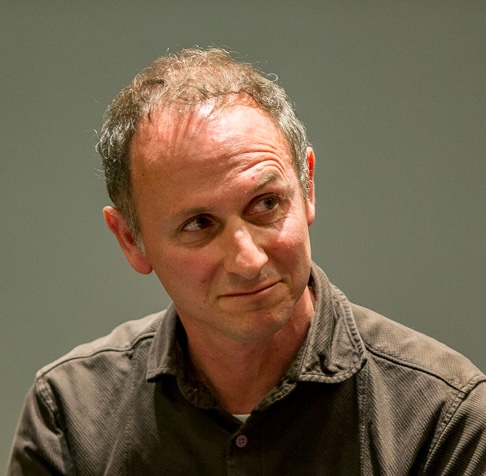
David Coogan is a professor of English at Virginia Commonwealth University. He is the author of Writing Our Way Out: Memoirs from Jail (2015) and the Cambridge Companion to American Prison Writing and Mass Incarceration; the founder of Open Minds, the award-winning, college-in-jail program; and the director of Write Your Way Out, a pioneering criminal justice diversion program that enables low-level offenders to avoid jail. Coogan teaches courses in prison writing, memoir, and rhetoric and is the recipient of the distinguished teaching award from VCU’s College of Humanities and Sciences.
Details
Format: Paperback
ISBN Paperback: 978-1-966369-05-9
Pages: 200
Release date: 4/14/2026
Endorsements
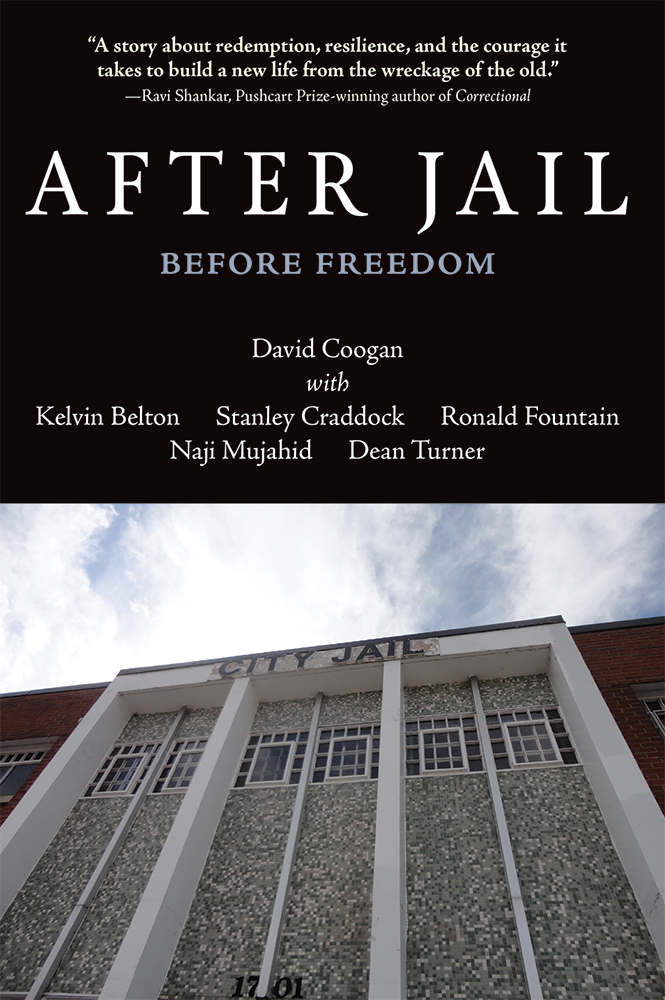
“‘It is a rough intersection between the writing and the living,’ David Coogan writes in After Jail, Before Freedom, and the brilliant book that follows proves that adage many times over. Following five men—Kelvin, Dean, Ronald, Naji, and Stan—released from prison to navigate the treacherous terrain of reentry and tell their stories in their own unflinching voices, the book also interweaves Coogan’s own reckoning with what it means to witness someone else’s freedom, to be complicit in both the successes and the failures, even in the act of writing and publishing a memoir. These coauthors reveal what the system doesn’t prepare you for: The stigma of a felony conviction; the struggle to find a job, battle addiction, and be a father; and how, after release, trauma won’t ever let you go. Changing your life means fighting for it every single day. This is a story about redemption, resilience, and the courage it takes to build a new life from the wreckage of the old. What Coogan does most masterfully is lay bare his own complicity—and all of ours—in the very struggle he documents so potently and poignantly. We have plenty of writing about what happens inside a prison; this crucial book tells us what happens after.”
—Ravi Shankar, Pushcart Prize-winning author of Correctional
“After Jail, Before Freedom is comparable to the classic sociological study of street corner Black men, Tally’s Corner by Elliot Liebow. Both shed light and expose the hidden stories of invisible people in America. David Coogan, as author, writing instructor, mentor, witness, helper, navigator, and participant observer, tells and shares the stories of five men in their reentry and reintegration process after prison. This is nonfiction that is a must-read as modern American prison writing. Coogan illuminates the words of five formerly incarcerated men and creates a powerful and lasting narrative as an example of the American prison memoir. After Jail, Before Freedom is a fabulous and innovative project that reflects how important American prison writing has become in America.”
—Flores Forbes, author of Invisible Men: A Contemporary Slave Narrative in the Era of Mass Incarceration
“An intimate and powerful look into the realities of reentry that reintroduces us to five men we first met while they were still in jail. After years in prison, we see the many obstacles they face and the triumphs they earn, a microcosm of an experience hundreds of thousands face every year. David Coogan once again helps open a door into the system of mass incarceration and helps those in it speak for themselves. A must-read if you want to hear it real and unfiltered.”
—Kenneth Hartman, award-winning author of Mother California: A Story of Redemption Behind Bars
“This powerful series of essays by Dave Coogan and his former jail students helps to fill in a vital gap in the growing literature emerging from both legalized human caging and the later-life memoirs of people living beyond incarceration. This is the gap between jail gates and the first precarious or crumbling footholds in a world that won’t stop punishing the formerly incarcerated—for their youthful reaction to trauma, their unequal opportunities, their race, and their poverty. Kelvin Belton, Stanley Craddock, Ronald Fountain, Naji Mujahid, and Dean Turner offer the perspicacity, profound self-reflection, and self-awareness—in inviting prose style—they have gained from being fed into the machinery of the US criminal-legal system. Here they emerge to make clear to readers that their hearts and resilience have survived this system that wants to break people, that they will not be counted among the broken. This is important reading for anyone committed to understanding the human toll of incarceration in the US today.”
—Doran Larson, founder and co-director of The American Prison Writing Archive (prisonwitness.org)