When I was first asked to write a blog about how I manage multiple writing projects, my instinct was to
say yes. After all, being asked to share a personal perspective carries the subtle allure of an ego boost.
People wanted to hear what I have to say (or, in this case, read what I have to write). As a woman of a
certain age, I’m also aware of society’s encouragement to please others. But then I paused. This
personal topic would take time to flesh out, and the word count was about double that of a short,
surface-level piece. Reviewing my content calendar, I saw it filled with paying writing gigs. So, I
responded with an answer I’ve grown increasingly comfortable with and frankly, one that has helped my
writing improve. I said no.
Clearly, that wasn’t the end of the story, because here I am, writing this piece. Saying no to someone
who’s genuinely interested often isn’t the final answer. What we may have been taught as definitive is
often just the beginning, as long as we offer an alternative. It’s sort of like saying, “No, with a side of
perhaps.”
There isn’t a single tried-and-true method to juggling multiple writing gigs, and I don’t have a recipe for
a secret sauce. What I can share is this: You will never successfully juggle if you don’t maintain the
proper balance. In this blog, I’ll show you how I manage a full-time day job as a content writer and
marketing strategist for a healthcare organization, my in-demand freelance work for our local arts and
culture magazine, travel writing gigs, editing a book for a freelance client, marketing and promoting my
recently released book, The Blue Dog and the White Horse: The Best of Friends, and, on top of all that,
venturing into writing my memoir, Not My Mother’s Daughter.
Recently, an artist-friend of mine came to my home. I needed to interview him for a story featuring his
new exhibit at a local gallery. We sat in my kitchen nook—me tapping away at my laptop as we chatted
over tea and molasses cookies. At one point, a family of deer walked by the large window, drinking
water and noshing a bit. The artist, Omjaya, said, “How do you do it? Your home is beautiful, it’s so
peaceful and calm. You work a lot, but you seem to live with a freedom most people will never know.”
Omjaya was spot on. My home, situated at the base of the sacred Sangre de Cristo mountains of
Northern New Mexico is peaceful, and my life is my own, yet I work a lot. I took a sip of tea and
responded, “Because I’m strategic and disciplined.”
If you stop reading here, you will have gleaned the key points of this blog (though there’s more flavor
coming). Just like any successful human—whether a star athlete, talented musician, introspective
healer, savvy businessperson, or writer, the bottom line is they are disciplined about their work and
craft, and their decisions are strategic. Just like my “No, with a side of perhaps.”
For me, where I write is every bit as important as what I write. That may not be the case for others. I
have writer friends who work from tiny, cramped bedrooms, cluttered offices, and homes filled with kids
and family distractions. But as Omjaya noted, my home—where I work and write—is spacious, free of
clutter, and peaceful because that is what I need to do my best work. But what I didn’t share with
Omjaya is that part of the unseen strategy is the key.
My day job exacts a toll that my other writing gigs don’t. It’s a corporate America position, and a great
deal of left-brain activity is required (left brain = logic). I am fortunate to have the space to divide and
conquer, but that’s all part of the strategy. I know enough about myself to recognize that my environment
helps set the stage. During the day, I work from what would otherwise be a spare or guest bedroom,
although it doesn’t resemble a bedroom. I have a writing desk with a laptop and two NASA-looking
monitors that always have multiple tabs open where I’m working, writing, editing, responding to Slack
messages, emails, attending Zoom calls, etc. My dog, Gracie, has a well-worn chair where she and my cat,
Banjo, snooze in support of my work.
At the end of my workday, I leave that space and don’t return until the next day. But that doesn’t mean
my work is finished for the day. I simply move from one place to the next. My kitchen nook and dining
room table (where I am writing this) tend to support more of my freelance and right-brain work (right
brain = creative). I rarely have more than one or two tabs open. I’m not multi-tasking (don’t believe in it
anyway) by allowing email distractions. I don’t respond to texts. Instead, I put my feet up. Banjo is often
on the chair or cushion beside me, and Gracie generally takes ownership of the sofa.
I’ve essentially laid the groundwork to signal to my brain that it’s a different type of work. Brainstorming
social media campaigns for my book might mean my feet are up, David Gray or Van Morrison is on
Pandora and I have sparkling water as I gaze over the mesa for inspiration. If I’m working on a feature
story for a travel magazine, the music might shift to Moby, the libation may become slightly more adult-
like, and editing a book for my Ph.D. client may mean Enya and green tea with a lit candle on the table.
(This blog was black tea and light jazz.)
If you read between the lines of what I’ve just described, you’ll see the common denominator
throughout everything I do: self-care is non-negotiable. My workspaces are places I want to be. They’re
comfortable and inviting and set the stage for the type of result I want to achieve. My content calendar
is not fancy. I do not use expensive bells and whistles software to track deadlines. Rather, I work with an
extra-large Moleskine calendar that has ample blank pages for me to track requests, deadlines,
publication dates, invoice dates, and pay dates. I use technology rather than allowing it to use me. It’s a
useful tool for invoicing and writing, but I invest zero time in fancy spreadsheets or systems that would
cut into my productivity, opting instead for simpler methods.
In an average week, I can easily produce a blog or white paper on health literacy that has gone through a
legal corporate review, three feature stories on local artists, musicians, or gallery events, a short piece
on the secret doors of Seattle, while reaching out to bookstores and posting on social platforms about
The Blue Dog and the White Horse.
My lifestyle includes ample sleep (9 hours a night), daily exercise (weights, cardio, dog walking, cycling,
or hiking), consumption of healthy food, and a near-nightly bubble bath. As Omjaya astutely noted, I live
a free-range life. As I shared with him, I’m free because I’m disciplined. Many writers refer to their many
obligations as “side hustles.” Not me. I may juggle, but I don’t hustle.
These are the core practices that allow me to juggle everything without losing my balance:
- Prioritize self-care (and for me, pet-care) as non-negotiable.
- Design workspaces that inspire and support focus.
- Keep content and deadline tracking simple.
- Communicate openly and effectively with editors and collaborators.
- Learn to say no with the understanding that there’s potential for a side of perhaps.
- Maintain ample sleep, exercise, and daily rituals (like bubble baths!).
~ ~ ~
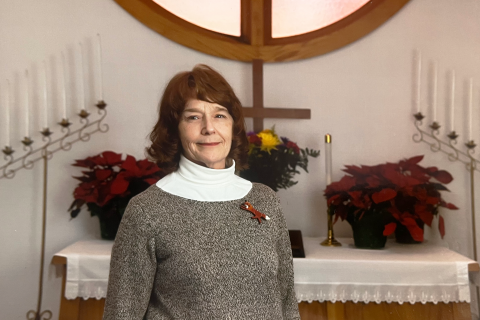
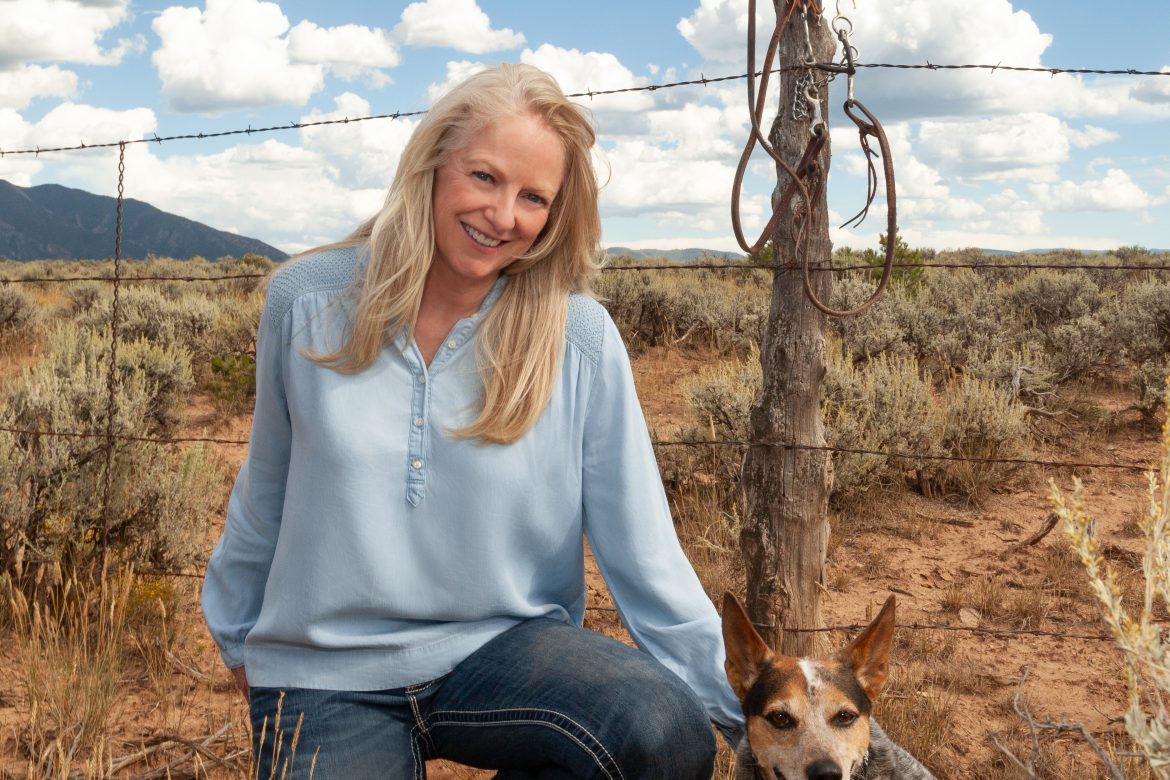
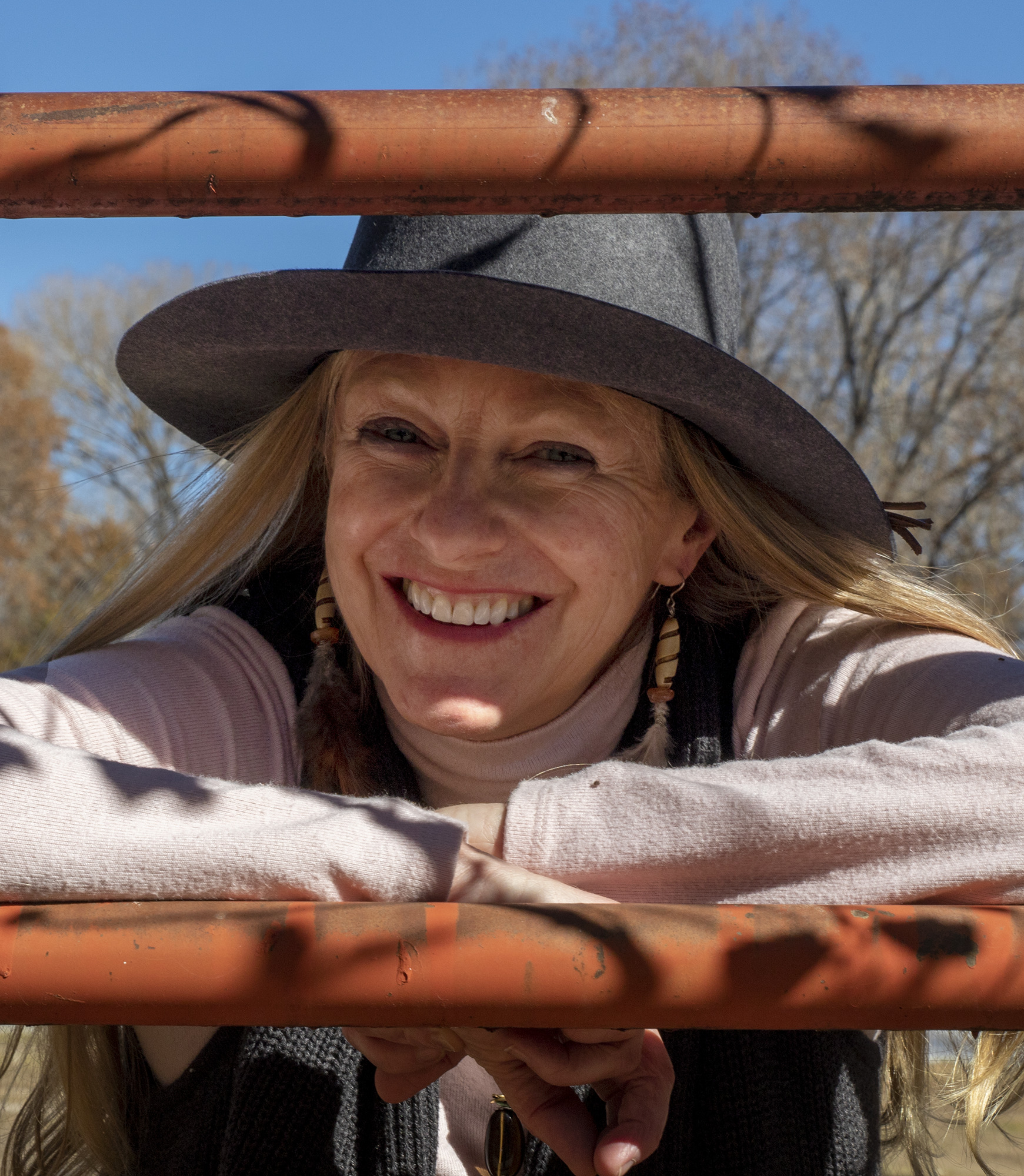 Haven Lindsey works full-time as a healthcare writer and marketing strategist. She has more than twenty years of experience writing human-interest stories and articles about health and well-being, public policy, education, travel, and food. Haven also enjoys freelance writing projects. She lives near Taos, New Mexico, with Gracie and her cat, Banjo. Haven loves watching the sunrise over the Sangre de Cristo Mountains from her home and spotting hot air balloons in the mornings.